
Baitcaster Line Guide: A Comprehensive Overview (Updated 02/26/2026)
Navigating baitcasters requires understanding line types; 15-17lb monofilament is cost-effective for beginners, offering similar diameter to 70lb braid, while Samurai braid provides softness.
Understanding Baitcaster Reels and Line
Baitcaster reels, known for power and accuracy, demand careful line selection. Unlike spinning reels, they require managing backlash, making line choice crucial for success. Monofilament, braid, and fluorocarbon each offer unique benefits.
Beginners often start with 15-17lb monofilament due to its affordability and forgiving nature. Experienced anglers frequently utilize braided line for its sensitivity and strength, while fluorocarbon serves as an effective leader material. Understanding spooling techniques, line capacity, and maintenance is also vital for optimal performance.
Why Line Choice Matters for Baitcasters
Selecting the right line significantly impacts a baitcaster’s performance and ease of use. Line directly affects casting distance, accuracy, sensitivity, and backlash control. Monofilament’s stretch aids in absorbing shocks, while braid offers zero stretch for enhanced sensitivity.
Diameter plays a role; 15-17lb mono matches 70lb braid’s diameter, but at a lower cost. Proper line tension is crucial, achieved through techniques like using heavy lures and short casts. Addressing line twist and maintaining the pawl and line guide are also essential.
Monofilament Line for Baitcasters: The Beginner’s Choice
Monofilament is widely recommended for those new to baitcasters due to its forgiving nature and affordability. Its inherent stretch helps absorb casting errors, reducing the likelihood of frustrating backlashes. A 15-17lb test provides a good balance of strength and manageability for various techniques.
Cost-effectiveness is a major benefit; monofilament is significantly cheaper than braid, allowing ample practice without substantial expense. It’s an ideal starting point for mastering the mechanics of a baitcaster before exploring more advanced line options.

Advantages of Monofilament for Learning
Monofilament’s stretch is a key advantage for beginners, cushioning casting inaccuracies and minimizing backlash – a common frustration with baitcasters. This elasticity provides a more forgiving learning curve, building confidence. Its lower cost allows for frequent respooling during practice, essential for mastering technique.
Furthermore, monofilament’s consistent stretch aids in feeling bites, offering valuable feedback while learning to detect subtle strikes. It’s a practical and economical choice for developing fundamental baitcasting skills.
Recommended Monofilament Pound Tests (15-17lb)
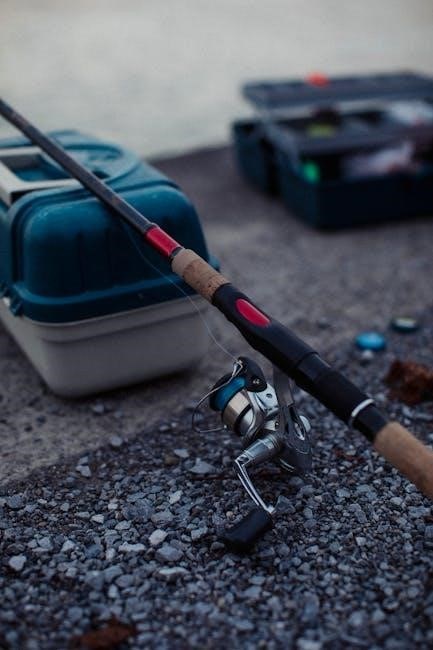
For those new to baitcasting, a 15-17lb test monofilament is highly recommended. This weight range strikes an ideal balance between manageability and strength for a variety of fishing scenarios. It closely mimics the diameter of significantly stronger braided lines, around 70lb test, without the braid’s added complexity.
This pound test offers sufficient power for most bass fishing applications while remaining forgiving during the learning process, reducing the likelihood of snapping during casts.
Cost-Effectiveness of Monofilament
Monofilament line presents a significant advantage for anglers mindful of their budget, particularly beginners learning the intricacies of baitcasting reels. Compared to braided or fluorocarbon lines, monofilament is substantially more affordable, often costing a third of the price of equivalent braided options.
This lower cost allows for frequent respooling during the learning curve, minimizing financial strain as technique improves and line is lost due to backlash or breakage.
Braided Line for Baitcasters: Performance and Considerations
Braided line offers superior performance characteristics, including increased sensitivity and strength, making it a popular choice for experienced baitcaster users. However, it’s not without its drawbacks. While some brands like Power Pro boast high break strengths (around 70lbs), others may fall short of their rating.

Compatibility can be an issue; braid and baitcasters don’t always play well together, potentially leading to increased backlash.
Benefits of Using Braided Line
Braided line excels in sensitivity, transmitting even subtle strikes directly to the angler, crucial for detecting bites. Its near-zero stretch enhances hooksets, particularly with larger lures. Furthermore, braid boasts exceptional strength for its diameter, allowing for longer casts and better lure control.
Despite potential issues with baitcasters, the performance benefits often outweigh the challenges for skilled anglers seeking maximum responsiveness and power.
Braided Line Diameter vs. Monofilament
A significant difference exists between braided and monofilament line diameters for equivalent breaking strengths. Notably, 15-17lb monofilament shares a similar diameter to a substantially heavier 70lb braided line. This means braid offers increased strength within a smaller profile, potentially improving casting distance and reducing water resistance.
However, this thinner diameter can also contribute to potential issues with line slippage on the spool if not managed correctly.
Potential Issues with Braid and Baitcasters
While braid excels in performance, compatibility with baitcasters can present challenges for some anglers. A common concern is increased susceptibility to backlash due to braid’s low stretch and slickness, demanding precise thumb control. Furthermore, some users report braid doesn’t consistently mesh well with baitcaster mechanisms, leading to slippage.
Using a monofilament backing can mitigate slippage, ensuring secure spool fill.
Fluorocarbon Line for Baitcasters: Stealth and Sensitivity
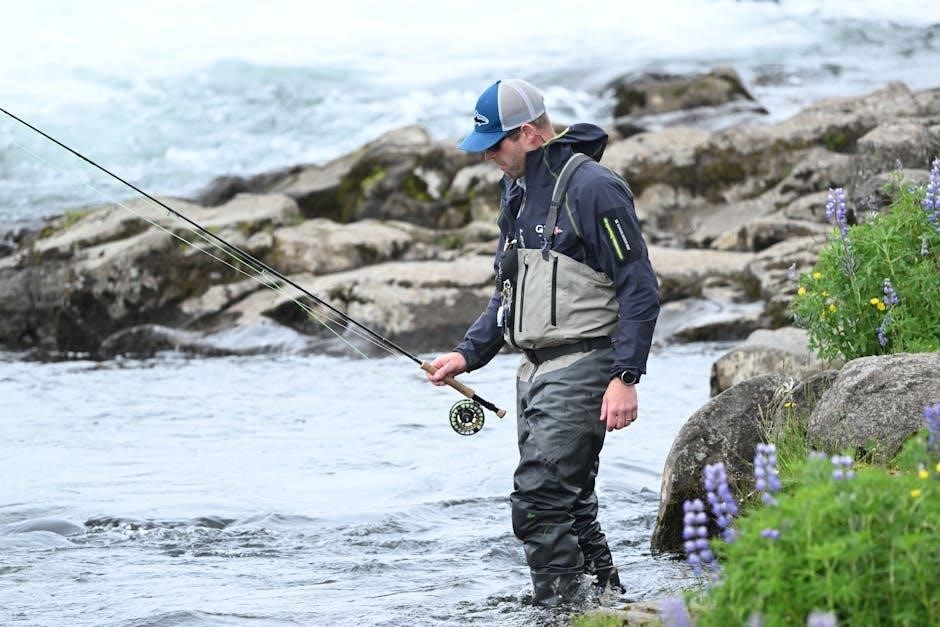
Fluorocarbon offers exceptional invisibility underwater, making it ideal for pressured fish or clear water conditions. Its low stretch enhances sensitivity, allowing anglers to detect subtle strikes. Often, fluorocarbon isn’t used as the primary line but as a leader, connecting to braided or monofilament main lines.
This combination leverages fluorocarbon’s stealth with the main line’s strength and manageability, adapting to diverse fishing scenarios.
When to Use Fluorocarbon as a Leader
Employ fluorocarbon leaders when targeting wary fish in clear water, or around structure where visibility is a concern. It’s particularly effective with topwater lures, crankbaits, and spinnerbaits, providing an invisible connection to your bait.
Fluorocarbon leaders minimize line detection, increasing strike rates. Tie it directly to your lure or use a specialized leader knot for a seamless presentation, enhancing your overall fishing success.
Fluorocarbon’s Role in Different Fishing Situations
Fluorocarbon excels in situations demanding stealth and sensitivity, like clear water or pressured fisheries. Its low visibility makes it ideal for finicky bass, especially when paired with finesse techniques. It’s also beneficial around submerged vegetation or rocky structures;
Consider fluorocarbon leaders when fishing shallow water, minimizing line detection. It’s a versatile choice, enhancing presentation and increasing confidence in diverse fishing scenarios.
Spooling a Baitcaster Reel with Monofilament
Begin by determining the correct line amount for your specific reel; some reels have markings to guide you. If not, leave approximately 1/16th of an inch from the spool’s edge to prevent overfilling.
Proper spooling is crucial for performance. Ensure even tension while reeling in the monofilament, avoiding slack. This minimizes backlash and maximizes casting distance. Tie on a leader after spooling, selecting a material appropriate for your fishing conditions.
Determining the Correct Amount of Line
Estimating the right line quantity is vital for optimal baitcaster performance. Many reels feature indicators showing the line capacity, simplifying the process. If your reel lacks these markings, a general guideline is to leave about 1/16th of an inch of space from the spool’s edge.
Overfilling can lead to significant backlash issues, while underfilling reduces casting distance. Consider the line diameter; thicker lines require less length.
Leaving Space on the Spool (1/16th inch)

Maintaining a small gap – approximately 1/16th of an inch – between the line and the spool’s edge is crucial for smooth baitcasting. This prevents line overlap during casts, significantly reducing the likelihood of frustrating backlashes.
This space allows for proper line flow and prevents the line from binding, ensuring consistent performance. It’s a simple step that dramatically improves casting control and overall fishing experience.
Spooling a Baitcaster Reel with Braided Line
When spooling with braid, utilizing a monofilament backing is highly recommended. This prevents braid from slipping on the spool, ensuring consistent tension and preventing potential issues.
Apply the mono first, filling the spool partially, then tie the braid securely to the mono. Maintaining proper line tension throughout the spooling process is vital for optimal casting performance and minimizing line management problems.
Using a Monofilament Backing
Employing a monofilament backing when spooling braided line onto a baitcaster is a crucial step. Braid, being slick, can slip on the spool, leading to reduced casting distance and potential line management difficulties.
The mono backing provides a textured base for the braid to grip, preventing slippage and ensuring consistent line lay. This simple addition significantly enhances the overall performance and reliability of your baitcasting setup, especially for beginners.
Ensuring Proper Line Tension During Spooling
Maintaining adequate line tension while spooling braid onto a baitcaster is paramount for optimal performance. Loose line can cause tangles, reduced casting distance, and even backlash issues.
Apply consistent drag by lightly palming the spool as the line is being reeled on. Alternatively, utilize a line spooling station or have a friend apply tension with a pair of pliers. This ensures a tight, even fill, maximizing casting efficiency and minimizing potential problems.
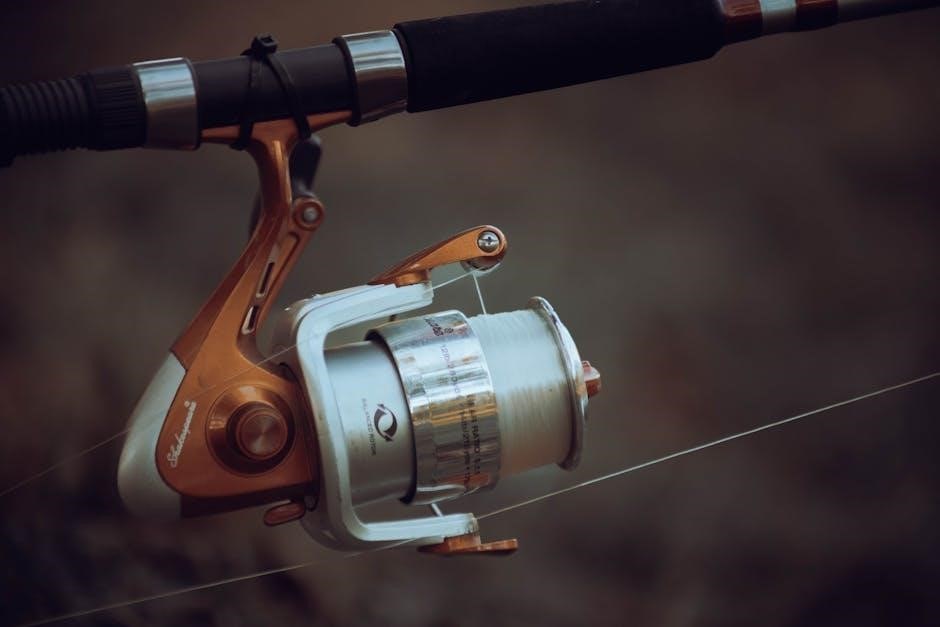
Line Capacity and Spool Size
Baitcaster spool size directly impacts line capacity, influencing both the amount of line you can hold and casting performance. Reels are typically marked with line capacity recommendations for various pound tests of monofilament and braid.
Overfilling the spool leads to tangles and reduced casting distance, while underfilling diminishes performance. Aim to leave approximately 1/16th of an inch of space from the spool’s edge to prevent issues and maintain optimal line flow during casts.
Checking Line Tension on a Baitcaster
Ensuring proper line tension is crucial for optimal baitcaster performance and minimizing backlash. A simple method involves spooling line and then attaching a heavy lure to the end.
Begin with short casts, gradually increasing distance as you reel in. The lure’s weight will tighten the line on the spool. If the line feels loose, repeat the process with slightly longer casts until adequate tension is achieved, improving casting accuracy and distance.
Using a Heavy Lure to Tighten Line
After spooling, utilize a heavier lure to effectively tighten the line on your baitcaster reel. This method provides the necessary pressure to compress the line layers, preventing slippage during casts and retrieves.
Start with shorter casts, gradually increasing the distance with each subsequent attempt. As you reel in, the lure’s weight will naturally draw the line taut, ensuring a firm and consistent spool packing for improved performance.
Short Casts for Initial Tensioning
Begin the line tensioning process with a series of short, controlled casts. This approach minimizes stress on the newly spooled line and prevents potential overruns or backlash issues that can occur with longer, more forceful casts.
Gradually increase the casting distance with each throw, carefully monitoring the line spooling onto the reel. This incremental method ensures even distribution and optimal tightness, crucial for smooth operation and accuracy.
Baitcaster Pawl and Line Guide Maintenance
Regularly inspect your baitcaster’s pawl and line guide for optimal performance. Locate the pawl cap, typically unscrewing to reveal the pawl itself. Examine the pawl for any signs of damage or looseness, as this impacts line engagement.
A loose pawl cap is a common issue; tightening it ensures proper function. This maintenance prevents line slippage and contributes to accurate casting and retrieval, maintaining the reel’s efficiency.

Locating and Removing the Pawl Cap
The pawl cap, crucial for baitcaster maintenance, is usually found on the side of the reel, often slightly visible in the area surrounding the worm gear. It’s a small, circular cap designed to be unscrewed, typically requiring a small screwdriver or similar tool.
Carefully unscrew the cap, noting its position for reassembly. This reveals the pawl mechanism, allowing inspection for issues impacting line guidance and preventing potential malfunctions during casting.
Inspecting the Pawl for Problems
Once the pawl cap is removed, thoroughly inspect the pawl itself for any signs of damage, wear, or debris accumulation. Look for cracks, bends, or a loose connection to its spring. A malfunctioning pawl can prevent proper line engagement, leading to frustrating backlashes and inconsistent casting performance.
Ensure it moves freely and engages firmly with the worm gear; a loose pawl is a common culprit for line-related issues.
Tightening the Pawl Cap
If the pawl appears undamaged but the cap was loose, carefully re-tighten it. Avoid over-tightening, as this could impede the pawl’s movement or damage the surrounding components. A snug fit is ideal – enough to secure the pawl against the worm gear, but not so much that it restricts its function.
Test the pawl’s action after tightening to confirm proper engagement and smooth operation.
Worm Gear Lubrication: Oil vs. Grease
The debate regarding worm gear lubrication centers on oil versus grease. While opinions vary, many suggest oil is preferable for baitcasters due to its ability to penetrate and lubricate the intricate worm gear mechanism more effectively. Grease, while offering longer-lasting lubrication, can sometimes attract debris and create excessive drag.
Regular oiling ensures smooth operation and minimizes wear.
Common Baitcaster Line Issues and Troubleshooting
Baitcasters can present challenges like backlash and line twist. Preventing backlash involves controlled casts and proper spool tension. Addressing line twist requires careful spooling and potentially using a swivel. If the line guide isn’t functioning, a loose cap on the pawl may be the culprit; unscrew it, inspect the pawl, and retighten.
Consistent maintenance is key to smooth operation.
Backlash Prevention Techniques
Backlash, a common frustration, stems from spool overrunning the line. Employ controlled casting motions, avoiding sudden stops or jerks. Maintaining proper spool tension is crucial; use a heavier lure for initial tightening and shorter casts. Adjust the tension knob to match lure weight. Thumb control during the cast also significantly reduces the risk of frustrating line tangles.
Practice makes perfect!
Addressing Line Twist
Line twist compromises casting distance and accuracy, often resulting from repetitive lure rotation. Regularly check for twists and address them promptly. Allowing the line to untwist naturally by letting out line without a lure attached can help. Consider using a swivel between your main line and leader to minimize twist transfer from rotating lures.
Proper spooling also reduces initial twist.
Line Diameter and Baitcaster Compatibility
Baitcaster reels have specific line capacity recommendations, and matching line diameter to the reel is crucial. Thicker lines occupy more spool space, reducing capacity, while thinner lines may slip under pressure. A 15-17lb monofilament approximates the diameter of 70lb braid, offering a balance.
Ensure the chosen line fits comfortably on the spool without overfilling or being too loose.
Best Lines for Specific Baitcasting Techniques
For topwater fishing, a sensitive line like fluorocarbon or a slightly thinner braid helps detect subtle strikes. Crankbaits and spinnerbaits benefit from monofilament’s stretch, providing a forgiving presentation and reducing lure pull.
However, braid’s sensitivity can still be advantageous with these lures, especially when paired with a fluorocarbon leader for added stealth.
Line Choice for Topwater Fishing
Selecting the right line for topwater is crucial for detecting strikes. A sensitive line transmits vibrations effectively, revealing subtle takes. Fluorocarbon offers low visibility, while a slightly thinner braided line enhances sensitivity.
Monofilament can work, but its stretch might hinder strike detection. Consider the water clarity and target species when making your final line choice for optimal topwater success.
Line Choice for Crankbaits and Spinnerbaits
For crankbaits and spinnerbaits, a balance of strength and minimal stretch is ideal. Monofilament provides excellent stretch for shock absorption during aggressive strikes, preventing breakage. Braided line, with its zero stretch, offers enhanced sensitivity and hooksets.
Fluorocarbon can serve as a leader for added abrasion resistance and invisibility, especially in clear water. Consider the lure’s diving depth and potential cover when selecting your line.
Popular Line Brands for Baitcasters
Several brands consistently receive praise within the baitcasting community. Berkley Monofilament is a reliable and affordable option, particularly for beginners learning the ropes. Power Pro Braid is renowned for its strength and durability, often exceeding its stated breaking strength.
Samurai Braid stands out for its exceptional softness, contributing to smoother casts and reduced backlash. Anglers often choose based on sale availability and personal preference.

Berkley Monofilament
Berkley Monofilament emerges as a top choice for those new to baitcasting reels, offering a balance of affordability and performance. A 15lb test is frequently recommended, providing a diameter comparable to much heavier braided lines, yet at a significantly lower cost.
This makes it ideal for practicing and mastering casting techniques without substantial financial investment. It’s a dependable starting point for building confidence and skill.
Power Pro Braid
Power Pro braid is a popular selection among baitcaster enthusiasts, frequently lauded for its high tensile strength. Some anglers report it breaking at or below its rated strength, however, it’s still a favored option.
Despite its strength, it’s important to note that some users have experienced issues with braid and baitcasters, potentially leading to complications. It’s often paired with a monofilament backing for optimal spool fill.
Samurai Braid
Samurai braid is recognized within the baitcasting community as a premium line choice, particularly appreciated for its exceptionally soft feel. This characteristic contributes to smoother casting and improved handling, enhancing the overall fishing experience.
While not inexpensive, the superior quality and performance of Samurai braid justify the investment for many dedicated anglers. Its softness can aid in minimizing backlash and improving knot strength when properly utilized.
Understanding Line Breaking Strength
Line breaking strength is a crucial factor when selecting a baitcasting line, indicating the force required to snap the line. However, advertised strength isn’t always accurate; some brands, like Power Pro, may test lower than their rating, while others, like some Samurai braids, meet or exceed expectations;
Understanding these discrepancies is vital. Relying solely on the label can be misleading; real-world performance varies. Consider angler reports and testing to gauge a line’s true breaking point for reliable performance.
The Impact of Line Stretch on Baitcasting
Line stretch significantly impacts baitcasting performance, particularly sensitivity and hooksets. Monofilament exhibits considerable stretch, absorbing shock but reducing feel. Braided line, conversely, has minimal stretch, enhancing sensitivity and providing immediate hooksets, crucial for techniques like topwater or when fishing sparse cover.
However, braid’s low stretch can transmit more force to the knot, potentially leading to breakage if not properly managed. Understanding these trade-offs is key to selecting the appropriate line for your fishing style.
Leader Materials and Knot Selection
Leader selection depends on fishing conditions and target species. Fluorocarbon leaders offer abrasion resistance and near-invisibility, ideal for clear water or wary fish. Monofilament leaders are a cost-effective alternative, providing some stretch and shock absorption. Knot choice is equally critical; the Palomar knot is renowned for its strength with both mono and fluoro.
Proper knot tying ensures maximum breaking strength, preventing failures during hooksets or fights. Consider the line diameter when selecting a knot to avoid weakening the line.
Resources for Further Learning
For deeper insights into baitcaster techniques and line management, explore online forums like The New York Bass Forums for practical advice from experienced anglers. Reddit’s r/Fishing and r/bassfishing communities offer troubleshooting tips and discussions on line types.
r/FishingForBeginners provides beginner-friendly tutorials on spooling and maintenance. YouTube channels dedicated to fishing also offer visual guides on knot tying and reel upkeep.