Westinghouse 3200 PSI Pressure Washer Manual: A Comprehensive Guide
This comprehensive guide details the Westinghouse WPX3200, a powerful household cleaner offering 3200 PSI and 1.76 GPM.
The Westinghouse WPX3200 is a robust electric pressure washer engineered for effective cleaning around your home. Delivering an impressive 3200 PSI of cleaning power coupled with a flow rate of 1.76 GPM, it tackles dirt, grime, and stubborn stains on various surfaces with ease.
This manual serves as your complete resource, guiding you through safe operation, proper assembly, routine maintenance, and troubleshooting steps. Before initial use, carefully review all instructions to ensure optimal performance and prevent potential hazards. Understanding the features and capabilities of your WPX3200 will maximize its cleaning potential and extend its lifespan.
Always prioritize safety and adhere to the guidelines outlined within this manual for a successful pressure washing experience.
Understanding Pressure Washer Safety
Prioritizing safety is paramount when operating the Westinghouse WPX3200 pressure washer. Always read the entire manual before use to understand potential hazards and preventative measures. Maintain a minimum of 5ft (1.5m) clearance from combustible materials during operation, and ensure at least 3ft (0.91m) of free space on all sides for adequate ventilation and servicing.
Never point the spray wand at yourself or others. Wear appropriate eye protection and closed-toe shoes. Be mindful of the high-pressure stream and avoid contact with electrical sources. Disconnect the power supply before performing any maintenance or adjustments.
Familiarize yourself with all safety warnings and precautions detailed in this manual to prevent injury and property damage.
Assembly and Setup
Proper assembly is crucial for optimal performance. This section guides you through unboxing, connecting hoses, attaching wands, and establishing a water source.
Unboxing and Component Checklist
Carefully unpack your Westinghouse WPX3200 pressure washer and verify all components are present. The box should contain the pressure washer unit itself, a high-pressure hose, a spray gun, various spray nozzles (typically quick-connect), a detergent tank, and this user manual.
Inspect each item for any shipping damage. Ensure the power cord is intact and the pump appears undamaged. A complete checklist is often included within the manual itself; compare your received items against this list. Missing parts should be reported to the retailer immediately. Retain the original packaging for potential returns or warranty claims. Proper inventory ensures a smooth setup process and avoids delays in utilizing your new cleaning tool.
Connecting the High-Pressure Hose
To connect the high-pressure hose, first ensure the pressure washer is switched OFF. Locate the high-pressure outlet on the pump and the corresponding inlet on the spray gun. Firmly insert the hose into both connections, ensuring a secure, click-lock fit – often requiring a twisting motion.
Double-check that the hose is tightly connected at both ends to prevent leaks during operation. Never force the connections. If difficulty arises, verify proper alignment. A loose connection can result in reduced pressure and potential injury. Before proceeding, visually inspect the hose for any kinks or damage. A properly connected hose is crucial for safe and effective pressure washing.
Attaching Spray Wands and Nozzles
Begin by selecting the appropriate spray wand for your cleaning task. Align the wand with the spray gun’s connection point and firmly push until it clicks securely into place. Next, choose the desired nozzle based on the surface you’re cleaning – a wider angle for delicate surfaces, a narrower angle for stubborn grime.
To attach the nozzle, align it with the wand’s nozzle receiver and twist until it locks. Always ensure nozzles are securely fastened before operation to prevent them from detaching during use. Regularly inspect nozzles for wear and tear, replacing them as needed for optimal performance.
Water Source Connection
Before connecting, ensure your water source provides at least 20 PSI of water pressure. Attach the water inlet adapter to a standard garden hose, then connect the hose to the pressure washer’s water inlet. Hand-tighten the connection, then use a wrench to secure it further, avoiding over-tightening.
Check for leaks at the connection point before starting the pressure washer. A water inlet filter is crucial; ensure it’s clean and properly installed to prevent debris from damaging the pump. Never draw water from stagnant sources, as this can cause internal damage.
Operating Instructions

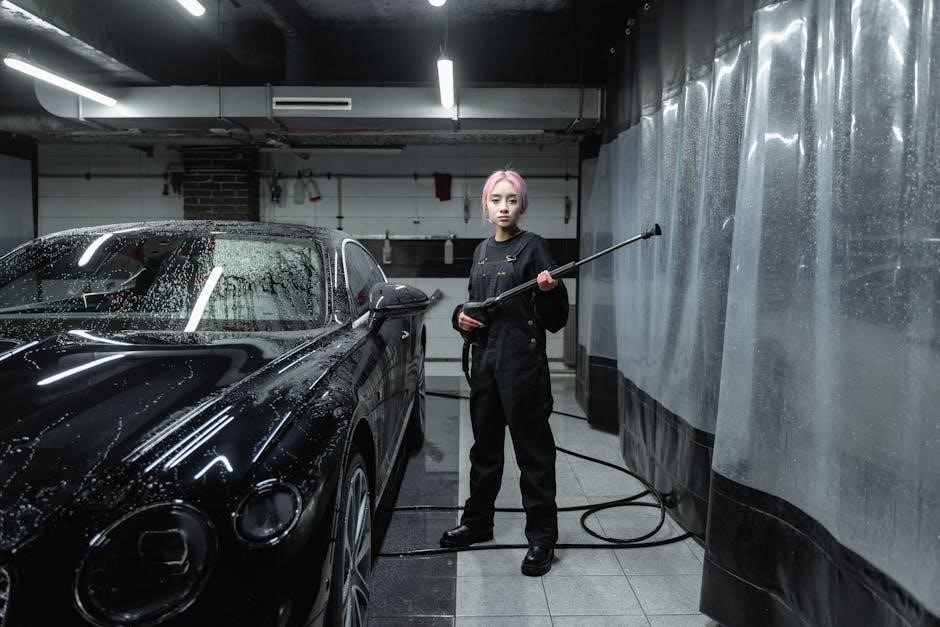
Proper operation involves starting the washer, adjusting pressure, selecting nozzles, and employing correct spraying techniques for optimal cleaning results.
Starting the Pressure Washer
Before initiating operation, ensure all connections are secure – the high-pressure hose, water source, and spray wand. Verify the power switch is in the “OFF” position. Connect the pressure washer to a grounded electrical outlet meeting the specified requirements. Slowly turn the power switch to “ON”.
Allow the pump to prime; this may take several seconds. You’ll notice a slight humming sound as the pump builds pressure. Never operate the pressure washer without water, as this can cause severe damage to the pump. Once primed, the engine should start smoothly. If it fails to start, consult the troubleshooting section of this manual. Always maintain a safe distance from the unit during startup.
Adjusting Pressure Settings
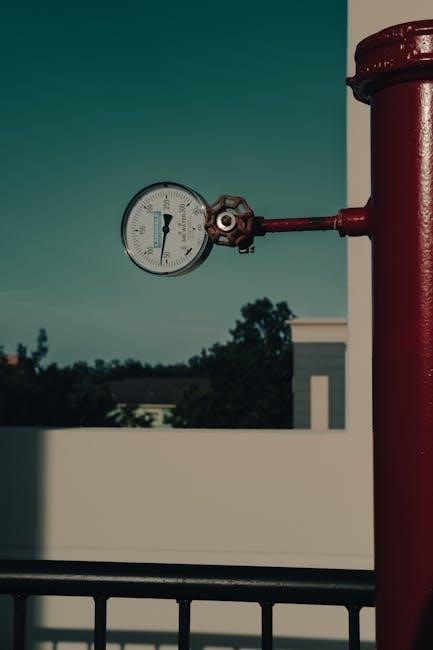
The Westinghouse WPX3200 allows for adjustable pressure, crucial for tackling diverse cleaning tasks. Begin with the lowest pressure setting to avoid damaging delicate surfaces. Utilize the pressure adjustment knob, typically located near the trigger gun, to incrementally increase or decrease the pressure.
For stubborn dirt and grime on robust surfaces like concrete, a higher pressure setting is appropriate. However, for painted surfaces, vehicles, or siding, a lower setting is recommended. Always test the pressure on an inconspicuous area first. Regularly check the nozzle selection, as different nozzles also influence the effective cleaning pressure. Proper adjustment maximizes cleaning efficiency and minimizes potential damage.
Selecting the Appropriate Nozzle
Choosing the correct nozzle is vital for effective and safe cleaning with your Westinghouse WPX3200. Different nozzles deliver varying spray patterns and intensities. A 0-degree nozzle provides a concentrated, powerful stream for stubborn, localized dirt – use with extreme caution! A 15-degree nozzle is suitable for tougher grime on durable surfaces.
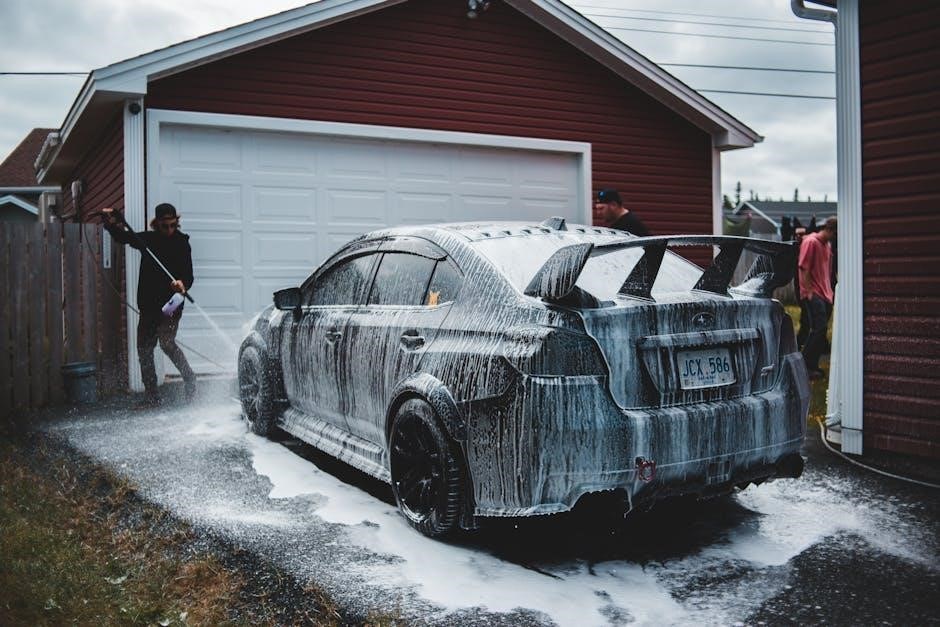
The 25-degree nozzle offers a wider spray for general cleaning, while the 40-degree nozzle is ideal for delicate surfaces like cars or painted siding. A soap nozzle creates a low-pressure, foamy spray for applying detergents. Always refer to the nozzle color-coding and the manual for specific applications to prevent damage.
Proper Spraying Techniques
Employing correct spraying techniques maximizes cleaning efficiency and minimizes potential damage with your Westinghouse WPX3200. Maintain a consistent distance of approximately 8-12 inches from the surface. Begin with a wider nozzle (40-degree) and gradually increase intensity if needed.
Always spray in sweeping motions, overlapping each pass slightly, to avoid streaking. Avoid directing the spray at electrical outlets, windows, or delicate materials. Test on an inconspicuous area first. When cleaning upwards, start from the bottom and work your way up to prevent water from getting under siding or shingles. Never point the wand at yourself or others!
Maintenance and Care
Regular maintenance ensures optimal performance and extends the life of your Westinghouse WPX3200 pressure washer. Cleaning, checking filters, and proper storage are key.
Cleaning the Nozzles
Maintaining clean nozzles is crucial for consistent and effective pressure washing with your Westinghouse WPX3200. Over time, mineral deposits and debris can accumulate, restricting water flow and diminishing cleaning power. To clean the nozzles, first, disconnect the high-pressure hose and remove the nozzle from the spray wand.
Use a small wire or nozzle cleaning tool (often included with the unit) to carefully clear any obstructions from the nozzle orifice. Avoid using sharp objects that could damage the nozzle’s internal components. For stubborn deposits, soak the nozzle in a solution of white vinegar and water for several hours before attempting to clear the blockage.
Rinse the nozzle thoroughly with clean water after cleaning to remove any remaining debris or vinegar solution. Inspect the nozzle for any signs of wear or damage, and replace it if necessary. Regularly cleaning your nozzles will ensure optimal performance and prolong the life of your pressure washer.
Checking the Water Inlet Filter
Regularly inspecting and cleaning the water inlet filter of your Westinghouse WPX3200 is vital for preventing damage and maintaining optimal performance. The filter protects the pump from debris that could cause clogs or internal wear. Locate the filter, typically found where the water hose connects to the pressure washer.
Turn off the pressure washer and disconnect the water supply before removing the filter. Carefully unscrew or detach the filter housing and remove the filter element. Rinse the filter thoroughly under running water to remove any sediment, dirt, or debris.
If the filter is heavily soiled or damaged, consider replacing it with a new one. Reinstall the cleaned or new filter, ensuring it is securely fastened. A clean water inlet filter ensures a consistent water supply and extends the lifespan of your pressure washer’s pump.
Storing the Pressure Washer
Proper storage is crucial for maintaining the longevity of your Westinghouse WPX3200 pressure washer. Before storing, ensure the unit is completely dry, having been run until all water is expelled from the pump. Disconnect both the high-pressure hose and the water inlet hose, draining any remaining water.
Store the pressure washer in a clean, dry location, protected from freezing temperatures and direct sunlight. Avoid storing it in areas with combustible materials. It’s recommended to store accessories, like nozzles and wands, with the unit to keep everything organized.
Coil the hoses neatly to prevent kinks and damage. Following these storage guidelines will help ensure your pressure washer is ready for its next use.
Winterizing the Pressure Washer
Protecting your Westinghouse WPX3200 from freezing temperatures is vital to prevent damage. Before winter storage, pump a pressure washer antifreeze solution through the pump to displace any remaining water. This prevents freezing and cracking within the pump components.
Disconnect and drain both the high-pressure hose and the water inlet hose. Store these hoses in a frost-free location. Ensure the detergent tank is also emptied and rinsed thoroughly to prevent residue buildup and freezing.
Cover the pressure washer with a waterproof cover and store it indoors, ideally in a shed or garage, to shield it from the elements. Proper winterization ensures reliable performance next season.
Troubleshooting Common Issues
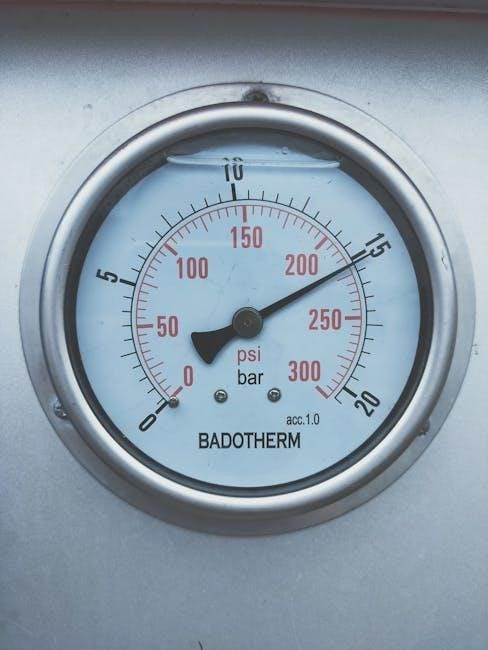
This section addresses frequent problems like startup failures, low pressure, leaks, and overheating, offering solutions for optimal Westinghouse WPX3200 performance.
Pressure Washer Won’t Start
If your Westinghouse WPX3200 fails to start, first ensure it’s properly connected to a functioning power outlet and that the outlet’s circuit breaker hasn’t tripped. Verify the power switch is in the ‘ON’ position.
Check the water supply connection; the unit won’t start without water pressure. Inspect the high-pressure hose for kinks or blockages, as these can prevent operation. Also, confirm the safety trigger is engaged – the pressure washer is designed not to run if it’s not.
If these steps don’t resolve the issue, consult the manual’s troubleshooting section for further guidance, potentially involving a reset procedure or contacting customer support.
Low Pressure Output
Experiencing low pressure with your Westinghouse WPX3200? Begin by verifying the nozzle isn’t clogged; remove and thoroughly clean it. Ensure the water supply provides adequate pressure – a minimum flow rate is crucial for optimal performance.
Inspect the high-pressure hose for any kinks, bends, or damage that could restrict water flow. Check the water inlet filter for obstructions and clean it if necessary. Confirm you’ve selected the appropriate nozzle for the task; a wider nozzle delivers lower pressure.
If the problem persists, examine the pump for potential issues, referencing the manual for detailed troubleshooting steps.
Leaking Water
If you notice water leaking from your Westinghouse WPX3200, immediately stop operation and disconnect the power source. First, inspect all hose connections – the high-pressure hose to the pump, and the water inlet hose – ensuring they are tightly secured.
Check the spray wand and nozzle connections for leaks, tightening as needed. Examine the pump itself for any visible cracks or damage. A faulty pump seal is a common cause of leaks and may require professional repair.
Ensure the detergent tank, if used, is properly sealed. Refer to the manual’s diagrams to pinpoint the leak’s origin and address it accordingly.
Engine Overheating
If your Westinghouse WPX3200 experiences overheating, immediately shut off the unit to prevent damage. Adequate ventilation is crucial; ensure at least 3 feet of clearance surrounds the pressure washer on all sides for proper cooling, as outlined in the manual.
Check the air intake vents for obstructions like dirt or debris, and clear them thoroughly. Verify the water supply is consistent and sufficient, as inadequate water flow can contribute to overheating.
Prolonged use under heavy loads can also cause overheating; allow the unit to cool down periodically. If overheating persists, consult a qualified technician for inspection and repair.

Technical Specifications
The WPX3200 boasts 3200 PSI at 1.76 GPM, requiring standard electrical connections. Dimensions and pump details are found within.
PSI and GPM Ratings
Understanding the pressure output, measured in pounds per square inch (PSI), and the flow rate, measured in gallons per minute (GPM), is crucial for effective cleaning. The Westinghouse WPX3200 pressure washer delivers a robust 3200 PSI, providing substantial cleaning power for tackling tough dirt, grime, and stains on various surfaces. Coupled with a flow rate of 1.76 GPM, this ensures efficient water delivery for thorough cleaning;
Higher PSI values indicate greater cleaning force, suitable for heavily soiled areas, while GPM determines the volume of water used, impacting cleaning speed and coverage. The WPX3200’s combination of PSI and GPM makes it versatile for a range of tasks, from washing vehicles and patios to cleaning siding and driveways. Always select the appropriate nozzle and pressure setting based on the surface being cleaned to avoid damage.
Electrical Requirements
Proper electrical setup is paramount for safe and efficient operation of the Westinghouse WPX3200 pressure washer. This unit is designed for standard 120-volt, 60Hz household electrical outlets. It is crucial to ensure the outlet is properly grounded to prevent electrical shock. Avoid using extension cords whenever possible; however, if one is necessary, it must be a heavy-duty, outdoor-rated cord with a minimum wire gauge of 12 AWG.
Never use an extension cord longer than 50 feet, as voltage drop can occur, reducing performance and potentially damaging the motor. Always inspect the power cord for damage before each use, and discontinue operation if any damage is found. Adhering to these electrical guidelines will ensure safe and reliable performance of your pressure washer.
Dimensions and Weight
Understanding the physical specifications of the Westinghouse WPX3200 is important for storage and maneuverability. While precise dimensions can vary slightly based on included accessories, the pressure washer generally measures approximately 32 inches in length, 18 inches in width, and 34 inches in height. These dimensions allow for relatively compact storage in a garage or shed.
The unit’s weight is approximately 57 pounds. This weight, while manageable, suggests careful handling during transport and setup is recommended. Consider the weight when choosing a location for operation, ensuring a stable and level surface. Knowing these dimensions and weight will aid in safe and convenient use of your pressure washer.
Pump Type and Features
The Westinghouse WPX3200 utilizes a robust axial cam pump, known for its durability and efficient performance. This pump design contributes to the pressure washer’s ability to deliver a consistent 3200 PSI of cleaning power. Key features include a three-piston design, enhancing reliability and extending the pump’s lifespan.
The pump is also designed with a thermal relief valve, protecting it from overheating during extended use. Furthermore, it incorporates an auto-stop system, which automatically shuts off the motor when the trigger is released, conserving energy and reducing wear. These features combine to provide a powerful, reliable, and long-lasting pumping system for various cleaning tasks.
Spare Parts and Accessories
Genuine Westinghouse replacement parts – nozzles, hoses, filters – ensure optimal performance and longevity of your WPX3200 pressure washer.
Nozzle Replacements
Maintaining the correct nozzles is crucial for your Westinghouse WPX3200’s performance. Over time, nozzles can become clogged or worn, diminishing cleaning power. Regularly inspect your nozzles for damage, such as cracks or blockages. A variety of nozzle replacements are available, each designed for specific cleaning tasks – from wide-angle, low-pressure sprays for delicate surfaces to pinpoint jets for stubborn grime.
Consider a 0-degree nozzle for intense spot cleaning, a 15-degree nozzle for general purpose cleaning, a 25-degree nozzle for wider coverage, and a 40-degree nozzle for delicate surfaces. Ensure the replacement nozzle is specifically designed for the WPX3200 model to guarantee a secure fit and optimal functionality. Replacing worn nozzles restores the pressure washer’s original cleaning capability.
Hose Replacements
The high-pressure hose is a vital component of your Westinghouse WPX3200, and eventual replacement is often necessary due to wear and tear. Inspect the hose regularly for kinks, cuts, bulges, or signs of deterioration. Damage compromises safety and reduces cleaning efficiency. When replacing the hose, always choose one specifically rated for at least 3200 PSI, matching or exceeding the pressure washer’s capacity.
Ensure the replacement hose features compatible connectors for a secure and leak-proof connection to both the pump and the spray gun. Incorrectly fitted hoses can lead to dangerous malfunctions. A quality replacement hose will restore optimal water flow and pressure, maximizing the cleaning power of your WPX3200. Prioritize safety and compatibility during hose replacement.
Filter Replacements
Maintaining a clean water inlet filter is crucial for the longevity and performance of your Westinghouse WPX3200. The filter prevents debris from entering the pump, which can cause damage and reduce cleaning power. Regularly inspect the filter – ideally before each use – for sediment, dirt, or other obstructions. A clogged filter restricts water flow, leading to reduced pressure and potential overheating.
Replacement filters are readily available and should match the original specifications of your WPX3200. Ensure a proper seal during installation to prevent unfiltered water from reaching the pump. Replacing the filter is a simple maintenance task that significantly extends the life of your pressure washer and ensures optimal cleaning results.
Detergent Tank Information
The Westinghouse WPX3200 features an onboard detergent tank for applying cleaning solutions during operation. This tank allows for efficient soap application, enhancing the cleaning power of the pressure washer on surfaces with stubborn grime. Only use detergents specifically designed for pressure washers to avoid damaging the unit or the surfaces being cleaned.
To fill the tank, detach it from the pressure washer and pour in the appropriate detergent, following the manufacturer’s dilution instructions. Reattach the tank securely. The detergent concentration can often be adjusted via a dial or setting on the pressure washer itself. Regularly clean the detergent tank to prevent clogs and ensure consistent performance.