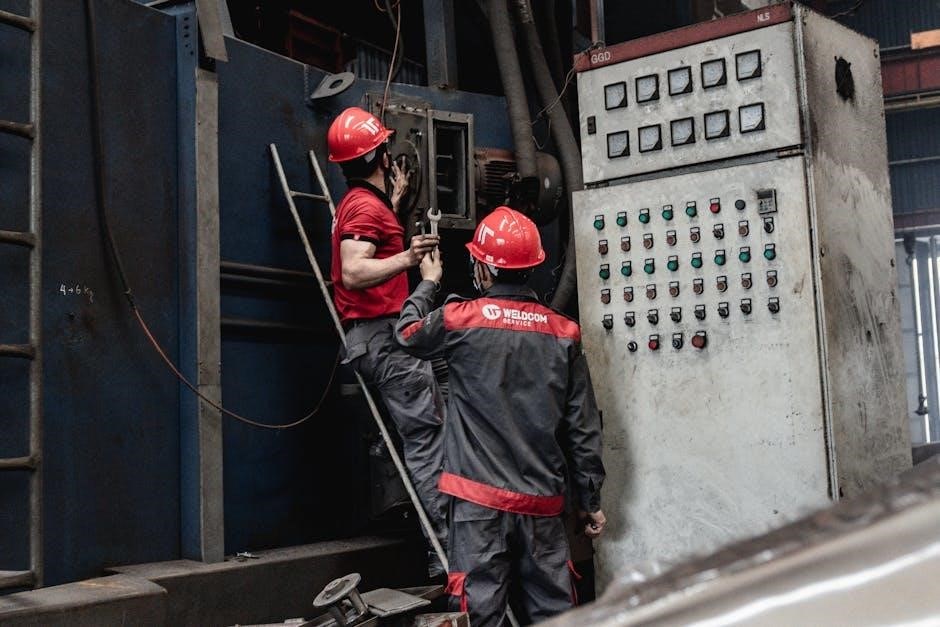
Electrical Panel Maintenance Protocol
Maintaining electrical systems proactively ensures safety, efficiency, and longevity, preventing hazards like fires and shocks while optimizing energy use and reducing costs.
Electrical panel maintenance is a crucial, often overlooked, aspect of property upkeep. A well-maintained panel safeguards against electrical fires, shocks, and power disruptions.
This protocol outlines procedures for regular inspections, ensuring optimal performance and extending the lifespan of the electrical system. Proactive maintenance identifies potential issues—like loose connections or corrosion—before they escalate into costly repairs or dangerous situations.
Regular checks also contribute to energy efficiency, reducing utility bills and promoting sustainable practices.
Importance of Regular Maintenance
Consistent electrical panel maintenance is pivotal for safety and efficiency. Early detection of issues prevents electrical fires, shocks, and widespread power outages. Efficient panel operation minimizes energy wastage, directly impacting utility costs. Ignoring maintenance risks premature component failure and potentially dangerous hazards. Regular inspections, as outlined in this protocol, ensure reliable power distribution and protect property and occupants. Proactive care extends the panel’s lifespan, avoiding expensive replacements.
Safety Precautions Before Maintenance
Prioritize safety before any maintenance. Always de-energize the panel completely to avoid electrical shock. Utilize appropriate Personal Protective Equipment (PPE), including insulated gloves and eye protection. Ensure doors and access panels remain secured during operation. Verify a safe working environment, free from obstructions. Never work alone; a qualified assistant should be present. Confirm proper lockout/tagout procedures are followed to prevent accidental re-energization.
Personal Protective Equipment (PPE)
Essential PPE includes insulated rubber gloves, rated for the system voltage, and safety glasses or a face shield to protect against arc flash. Flame-resistant (FR) clothing is highly recommended. Wear leather work boots with non-conductive soles. Ensure all PPE is inspected for damage before each use, and replace any compromised items immediately. Proper attire minimizes the risk of injury during electrical panel maintenance, safeguarding personnel from potential hazards.
De-energizing the Panel
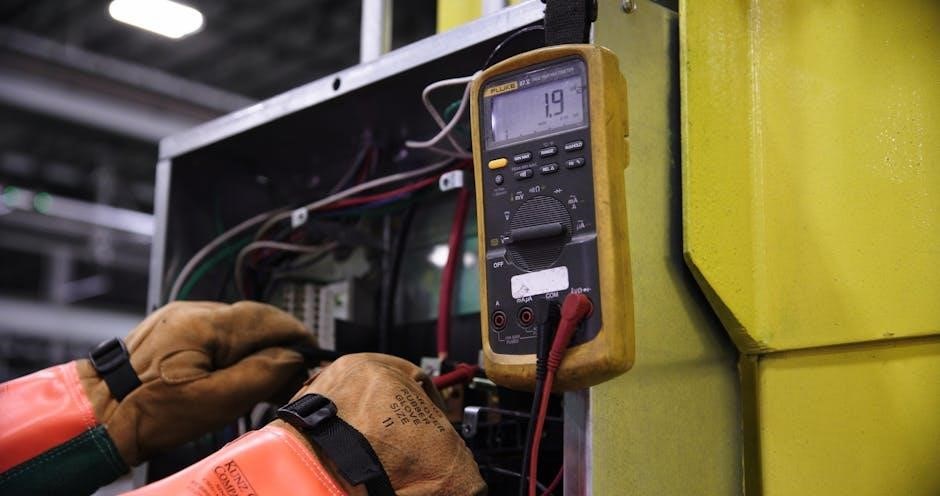
Prior to any maintenance, completely de-energize the electrical panel. Turn off the main breaker, and verify a complete power loss using a reliable voltage tester on all circuits. Implement a Lockout/Tagout (LOTO) procedure – apply a lock and tag to the main breaker to prevent accidental re-energization. Confirm zero energy state before proceeding. This critical step ensures technician safety and prevents electrical shock during inspection and repair work.
Visual Inspection of the Electrical Panel
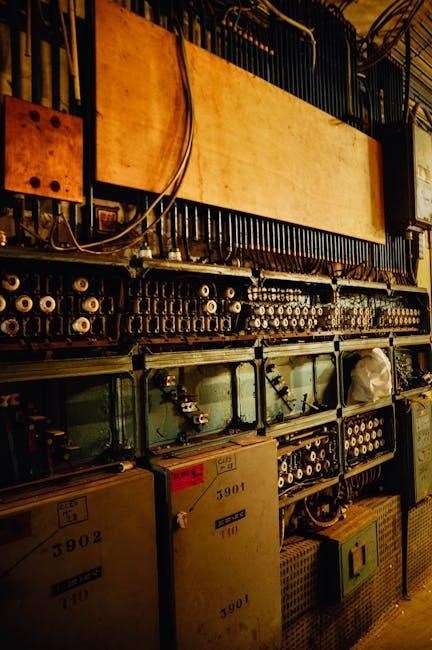
A thorough visual inspection is the first step in electrical panel maintenance. Carefully examine the panel for any physical damage, including cracks, dents, or loose components. Look for signs of corrosion and rust on busbars, breakers, and wiring. Identify any discoloration or burn marks indicating overheating. Ensure all access panels are securely fastened, and document any anomalies found during this initial assessment.
Checking for Physical Damage
Begin by meticulously inspecting the electrical panel’s enclosure for any visible physical damage. Look closely for cracks, dents, or warping in the metal casing. Verify that all mounting screws are tight and secure, ensuring the panel is firmly attached. Examine door hinges and latches for proper function and structural integrity. Document any damage, no matter how minor, as it could indicate underlying issues requiring immediate attention.
Identifying Corrosion and Rust
Carefully examine all metallic components within the electrical panel for signs of corrosion and rust. Pay particular attention to busbars, connections, and breaker housings. Rust indicates moisture ingress and potential conductivity issues. Corrosion can weaken connections, leading to overheating and failures. Document the location and severity of any corrosion found. Address corrosion promptly to prevent further damage and maintain system reliability; consider professional cleaning or component replacement.
Looking for Signs of Overheating
Inspect for discoloration of wires, breakers, or the panel enclosure itself, as this can indicate overheating. Look for melted insulation, burnt smells, or any evidence of arcing. Discolored or brittle plastic components are also warning signs. Overheating often results from loose connections or overloaded circuits. Document any observed signs and investigate the cause immediately to prevent potential fire hazards and ensure the continued safe operation of the electrical system.
Breaker Functionality Checks
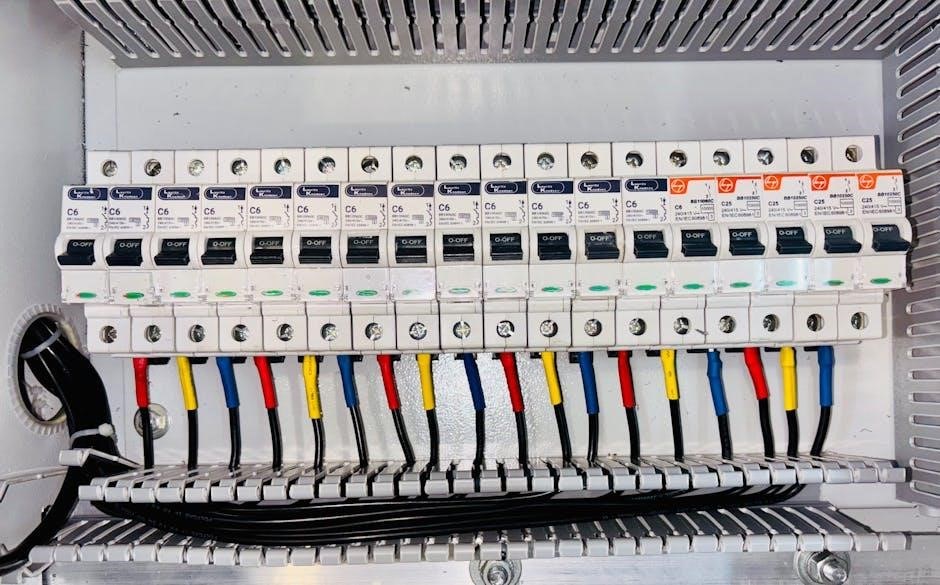
Regularly testing each breaker ensures proper operation during overcurrent events. Identify any tripped breakers and reset them, noting the cause if known. Confirm breakers are correctly labeled, matching the circuits they protect. Proper labeling aids in quick identification during emergencies and maintenance. Functionality checks reveal potential issues before they escalate, preventing damage and ensuring the electrical panel operates safely and efficiently, safeguarding against hazards.
Testing Each Breaker
To test each breaker, a qualified technician can use a breaker tester to simulate an overload. Observe if the breaker trips as designed, protecting the circuit. Alternatively, a load can be temporarily applied to the circuit, carefully monitoring for tripping. Document each breaker’s response. A failure to trip indicates a potential malfunction requiring immediate attention and possible replacement, ensuring continued safety and system reliability.
Identifying Tripped Breakers
Tripped breakers often appear in a position between “on” and “off,” or may be visibly different from others. A simple reset involves moving the breaker fully to the “off” position, then firmly to “on.” Repeated tripping signals an overload or short circuit. Investigate the connected circuit’s load. If tripping persists, consult an electrician; do not repeatedly reset, as this can create a fire hazard and indicates a serious underlying issue.
Checking for Proper Breaker Labeling
Accurate breaker labeling is crucial for safe and efficient maintenance. Each breaker should clearly indicate the circuits it controls – lighting, outlets, appliances, etc. This allows for targeted troubleshooting and safe isolation during repairs. If labels are missing or unclear, update them immediately. A detailed panel schedule, listing each breaker and its corresponding circuit, should be readily available and kept current for easy reference and emergency situations.
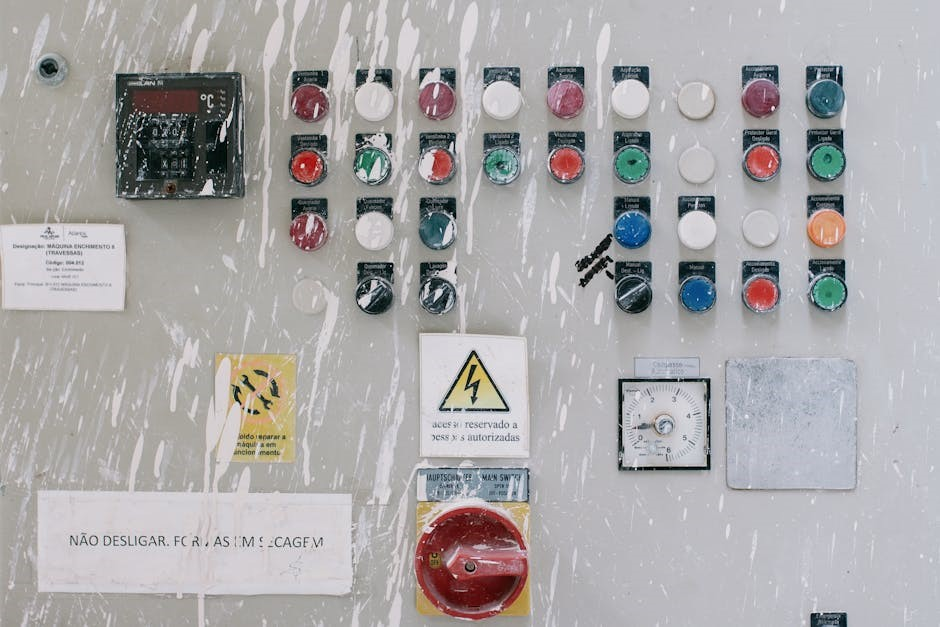
Connection Tightness Verification
Regularly verifying connection tightness within the electrical panel is paramount for preventing overheating and potential fire hazards. Loose connections increase resistance, generating heat. Inspect all wire connections, ensuring they are secure. Utilize calibrated torque screwdrivers to meet specified torque values. Addressing loose connections promptly minimizes risks and maintains optimal system performance. This proactive step contributes significantly to electrical safety and longevity.
Torque Specifications for Connections
Adhering to precise torque specifications is crucial when tightening electrical connections. Under-tightening leads to resistance and heat, while over-tightening can damage conductors or terminals. Consult the panel manufacturer’s documentation for specific torque values for each connection type and size. Utilize a calibrated torque screwdriver to ensure accuracy. Proper torque application guarantees secure, reliable connections, minimizing the risk of failures and maintaining system integrity.
Inspecting Wire Connections
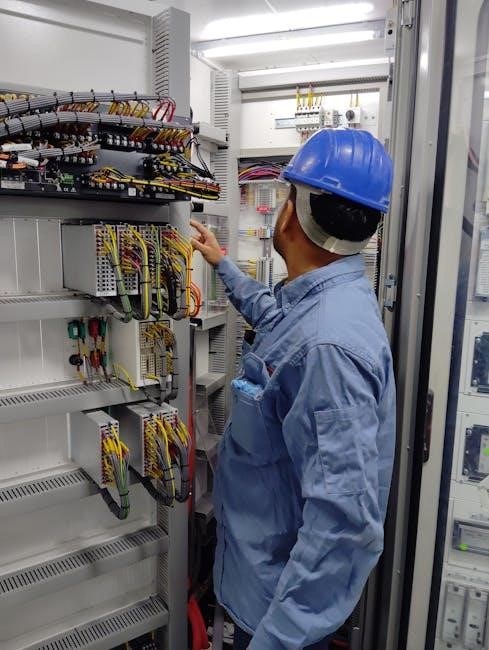
Thoroughly inspect all wire connections within the electrical panel for signs of looseness, corrosion, or damage to the insulation. Look closely at the points where wires connect to breakers, the neutral bus, and the ground bus. Gently tug on each wire to assess its security – it should not move easily. Address any loose or corroded connections immediately to prevent overheating and potential fire hazards, ensuring a safe and reliable electrical system.
Addressing Loose Connections
When identifying loose connections, de-energize the circuit immediately before tightening. Use a torque screwdriver to achieve the manufacturer’s specified torque, preventing over-tightening or under-tightening. Ensure the wire is securely clamped and that no stray strands are present. If corrosion is present, clean the connection point with a wire brush before re-tightening. Document all corrections made, and re-energize the circuit to verify a secure connection and proper operation.
Electrical Panel Cleaning Procedures
Regular cleaning is crucial for optimal panel performance. De-energize the panel before commencing any cleaning activities. Remove dust and debris using a vacuum cleaner with a brush attachment, avoiding metal-on-metal contact. If heater elements are present, carefully clean them, examining for damage. In adverse environments, increase cleaning frequency to mitigate corrosion. Ensure the enclosure remains clean, preventing accumulation of dirt and dust, as recommended by The Hanover Insurance Group.
Removing Dust and Debris
Prior to cleaning, always de-energize the electrical panel for safety. Utilize a vacuum cleaner equipped with a soft brush attachment to gently remove accumulated dust and debris. Avoid using compressed air, as it can push particles into sensitive components. Focus on areas around breakers, wiring, and connections. Ensure no metal-on-metal contact occurs during the cleaning process to prevent accidental shorts or damage. Regular dust removal improves airflow and prevents overheating.
Cleaning Heater Elements (if present)
If heater elements are installed within the electrical panel – often to prevent condensation – they require periodic cleaning. De-energize the panel completely before commencing. Inspect elements for dust or debris accumulation. Gently brush off any buildup using a soft, non-metallic brush. Examine for signs of damage or deterioration; repair or replace as needed. Ensure proper functionality through testing, as outlined in maintenance protocols, to maintain optimal performance.
Cleaning Enclosure in Adverse Environments
For electrical panels exposed to harsh conditions – like excessive dust, humidity, or corrosive substances – increased cleaning frequency is crucial. Regularly wipe down the enclosure’s exterior with a damp, lint-free cloth. Inspect for signs of corrosion and address promptly. Ensure all seals remain intact to prevent ingress of contaminants. Follow The Hanover Insurance Group’s guidance, adjusting maintenance schedules based on environmental severity to protect equipment integrity.
Addressing Common Electrical Panel Issues
Frequent problems include flickering lights and widespread power disruptions – initially contact your utility provider. Localized issues necessitate an electrician’s assessment. Premature bulb burnout can signal underlying electrical stress, requiring panel inspection. Overloaded circuits, a common concern, demand identification and resolution, potentially involving circuit redistribution or upgrades. Proactive maintenance minimizes these occurrences, ensuring a safe and reliable electrical supply for your property.
Flickering Lights and Power Issues
Widespread flickering or power outages first require contacting your utility company for assessment of external grid problems. However, if issues are isolated to specific areas within the building, a qualified electrician should be immediately consulted. These symptoms can indicate loose connections, breaker malfunctions, or overloaded circuits within the electrical panel itself. Prompt investigation prevents potential hazards and ensures consistent power delivery.
Premature Bulb Burnout
Frequent bulb failures, occurring significantly sooner than their expected lifespan, can signal underlying electrical issues within the panel. Voltage fluctuations, often caused by loose connections or failing breakers, stress filaments leading to early burnout. While not always immediately apparent, this symptom highlights the importance of regular panel maintenance. Proactive inspections can identify and rectify these issues, preventing further bulb replacements and potential safety concerns.
Identifying and Resolving Overloaded Circuits
Overloaded circuits frequently trip breakers, indicating excessive current draw. This happens when more appliances are connected than the circuit can safely handle. Identifying the source requires disconnecting devices and resetting the breaker. If the issue persists, consider redistributing loads across different circuits or adding new ones. Ignoring overloaded circuits poses a fire risk, emphasizing the need for careful assessment and professional electrical assistance when necessary.
Preventative Maintenance Schedule
Regular inspections are crucial; a standard schedule involves annual checks for most environments. However, adverse conditions – like extreme temperatures or dusty locations – necessitate increased frequency, potentially quarterly or even monthly. Detailed record-keeping is essential, documenting inspection dates, findings, and corrective actions. This history aids in identifying recurring issues and optimizing the maintenance plan, ensuring long-term electrical system reliability and safety, and compliance with standards.
Frequency of Inspections (Standard Conditions)
Under typical operating conditions, a comprehensive electrical panel inspection should be conducted annually. This includes a thorough visual assessment, breaker functionality tests, and connection tightness verification. Consistent adherence to this schedule helps identify potential issues before they escalate. Documenting each inspection’s findings is vital for tracking system health and predicting future maintenance needs, ensuring optimal performance and safety over time.
Increased Frequency in Adverse Conditions
Environments with extreme exposure – such as high humidity, dust, or corrosive substances – necessitate more frequent inspections. Consider quarterly checks in these situations to proactively address potential damage. Regular cleaning of enclosures is crucial, alongside heightened scrutiny of connections for corrosion. Increased vigilance safeguards against failures, ensuring continued reliability and preventing costly downtime in challenging operational contexts.
Record Keeping and Documentation
Meticulous record-keeping is paramount for effective maintenance. Document all inspection dates, findings, repairs, and component replacements. Maintain detailed logs of breaker functionality tests and torque specifications verified; This historical data facilitates trend analysis, predicting potential issues and optimizing the maintenance schedule. Proper documentation also demonstrates compliance with safety standards and insurance requirements, providing a valuable audit trail.
Heater Element Maintenance
Regularly inspect heater elements for physical damage, deterioration, and proper functionality. Cleaning removes dust and debris that can reduce efficiency and create hazards. Testing verifies operational status, identifying elements needing repair or replacement. In environments with adverse conditions, increase inspection frequency. Prompt attention to heater element issues prevents panel malfunctions and ensures consistent temperature control, safeguarding sensitive electrical components;
Inspection for Damage and Deterioration
Thoroughly examine heater elements for cracks, corrosion, or any signs of physical stress. Look for discoloration, blistering, or swelling, indicating potential failure. Assess the integrity of connections, ensuring they are secure and free from corrosion. Document any observed damage or deterioration, noting the location and severity. Regular inspection prevents unexpected outages and maintains optimal panel performance, enhancing safety and reliability.
Testing Heater Element Functionality
Verify heater element operation using a multimeter to confirm continuity and resistance within specified ranges. Observe the element for consistent heating during operation, noting any uneven temperature distribution. Ensure proper voltage supply to the element, checking for fluctuations or drops. Document all test results, including resistance readings and operational observations. Functional testing confirms the heater’s ability to maintain optimal temperature, preventing moisture buildup and corrosion within the panel.
Repair or Replacement Procedures
De-energize the panel completely before attempting any repairs or replacements. Inspect the damaged heater element for cracks, breaks, or corrosion. If repairable, carefully address the damage, ensuring a secure connection. For replacements, select a compatible element with the correct specifications. Follow manufacturer’s instructions for installation, verifying proper torque. Test the new or repaired element thoroughly before re-energizing the panel, documenting all steps.
Electrical Room/Vault Maintenance
Regularly clean electrical rooms and vaults to remove accumulated dirt and dust, preventing overheating and potential hazards. Maintain proper ventilation to dissipate heat generated by electrical equipment. Ensure secure access control, limiting entry to authorized personnel only. Inspect for water leaks or signs of moisture, addressing them promptly. Verify adequate lighting for safe inspections and maintenance procedures, promoting a secure environment.
Regular Cleaning of Dirt and Dust
Consistent removal of dirt and dust from electrical rooms is crucial for optimal performance. Accumulations can act as insulators, leading to overheating and potential fire risks. Utilize appropriate cleaning methods, such as vacuuming with HEPA filters, avoiding compressed air which spreads contaminants. Focus on surfaces like floors, walls, and equipment housings. Implement a schedule for routine cleaning, ensuring a safe and efficient electrical environment.
Maintaining Proper Ventilation
Adequate ventilation is paramount within electrical rooms to dissipate heat generated by equipment. Insufficient airflow can cause overheating, reducing component lifespan and increasing fire hazards. Ensure vents and air conditioning systems are unobstructed and functioning correctly. Regularly inspect and clean ventilation components. Consider adding supplemental ventilation if necessary, maintaining optimal temperatures for reliable electrical system operation and safety.
Ensuring Secure Access Control
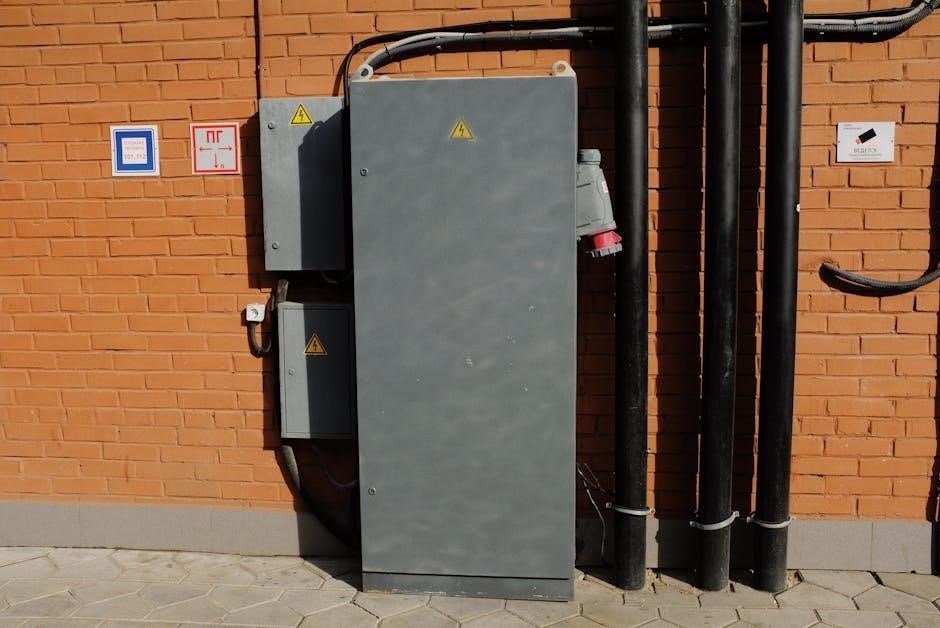
Restricting access to electrical rooms and panels is crucial for safety and compliance. Implement robust security measures, including locked doors and limited key distribution. The Hanover Insurance Group emphasizes properly secured doors and access panels during operation. Regularly review access lists and update them as personnel changes occur. Clearly label areas as “Authorized Personnel Only” to deter unauthorized entry and prevent accidental contact with live electrical components.
Energy Efficiency and Panel Maintenance
Proactive panel maintenance significantly impacts energy efficiency. Regular inspections identify and rectify issues causing energy wastage, like loose connections or overloaded circuits. Efficient panel operation minimizes energy loss, directly reducing utility bills, as highlighted by Five Star Home Services. Optimizing the system ensures power is delivered effectively, preventing unnecessary consumption; Addressing overheating and corrosion further contributes to a more sustainable and cost-effective electrical system.
Reducing Energy Wastage
Efficient electrical panels minimize energy loss through several key maintenance practices. Tightening loose connections, as Legacy Electric emphasizes, prevents resistive heating and wasted power. Addressing overloaded circuits avoids unnecessary strain and energy dissipation. Regular cleaning removes dust and debris that can impede airflow and increase operating temperatures. Optimizing panel functionality, as noted by Five Star Home Services, directly translates to lower utility bills and a reduced carbon footprint.
Optimizing Panel Operation
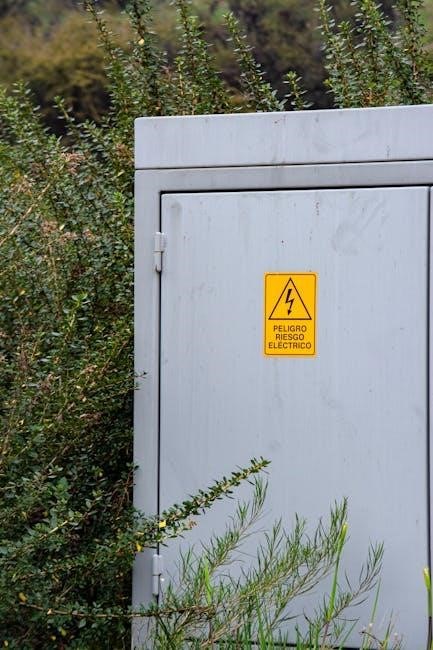
Optimal panel operation relies on consistent preventative measures. Regular inspections, as outlined in the Hanover Insurance Group standards, ensure all components function correctly. Proper breaker labeling facilitates quick identification and response during outages. Maintaining clean enclosures, especially in adverse environments, prevents overheating. Addressing corrosion and tightening connections, highlighted by Legacy Electric, are crucial for efficient power distribution and system reliability.
Impact on Utility Bills
Proactive electrical panel maintenance directly influences energy consumption and, consequently, utility expenses. Five Star Home Services emphasizes that efficient panel operation minimizes energy wastage. Loose connections and overloaded circuits contribute to increased energy draw. By identifying and resolving these issues through regular checks, homeowners can significantly reduce unnecessary power usage. A well-maintained panel ensures optimal performance, translating to lower monthly bills and long-term cost savings.
Compliance and Standards
Adhering to established standards is crucial for electrical panel maintenance. The Hanover Insurance Group mandates secure access to panels and proper operation of heater elements. Relevant electrical codes, alongside industry best practices, dictate safety protocols and maintenance schedules. Compliance minimizes risks, ensures system reliability, and supports insurance requirements. Regular adherence demonstrates a commitment to safety and operational integrity, avoiding potential penalties and liabilities.
The Hanover Insurance Group Standards
The Hanover Insurance Group emphasizes stringent safety measures for electrical systems. All doors and access panels must remain securely fastened during operation to prevent accidental contact with live components. Heater elements, where installed, require regular cleaning, thorough examination for damage or deterioration, and functional testing. Replacement is necessary if issues are detected, ensuring continued safe operation and minimizing potential hazards.
Relevant Electrical Codes
Adherence to national and local electrical codes is paramount during any maintenance protocol. The National Electrical Code (NEC) provides foundational guidelines for safe installation and upkeep of electrical systems. Local amendments often supplement the NEC, dictating specific requirements for your region. Compliance ensures systems meet safety standards, minimizing risks of fire, shock, and equipment failure, and is crucial for insurance and legal considerations.
Industry Best Practices
Proactive electrical panel maintenance extends beyond code compliance. Regular visual inspections, torque verification of connections, and breaker functionality tests are crucial. Infrared thermography detects overheating components. Detailed record-keeping of maintenance activities aids in identifying trends and predicting failures. Qualified electricians should perform complex tasks, ensuring safety and adherence to established standards for optimal system reliability and longevity.