Argan Oil Hair Color Instructions: A Comprehensive Guide
Argan oil-infused hair color offers a nourishing experience, deeply moisturizing while delivering vibrant, lasting color. It’s a beauty secret for strong, shiny locks!
Understanding Argan Oil’s Benefits for Hair
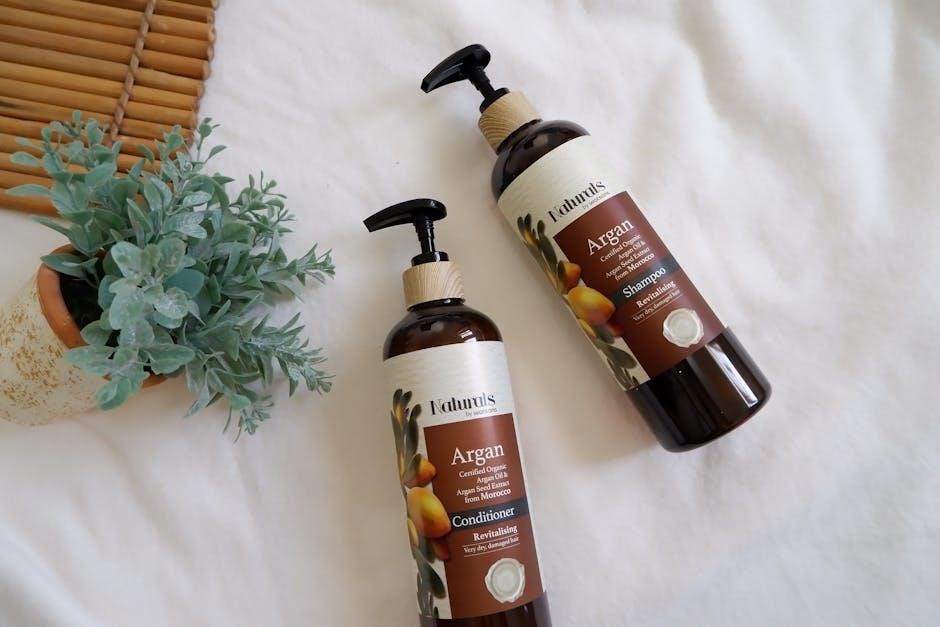
Argan oil, often called “Morocco’s liquid gold,” is renowned for its exceptional benefits for hair health. Derived from the kernels of the argan tree, native to Morocco, this natural oil is packed with essential fatty acids, antioxidants, and vitamin E. These components work synergistically to deeply hydrate and nourish the hair, combating dryness and brittleness.
Its moisturizing properties effectively tame frizz, leaving hair smoother and more manageable. Argan oil also helps repair damage caused by heat styling, chemical treatments, and environmental stressors. Furthermore, it creates a protective barrier against pollution and UV rays, safeguarding hair’s vibrancy and strength. A 2010 study highlighted argan oil’s potential to improve hair growth, attributed to its rich vitamin E content.
Regular use of argan oil results in stronger, shinier, and healthier-looking locks, making it an ideal addition to any hair care regimen, especially when combined with hair coloring.
The Role of Argan Oil in Hair Color
Argan oil’s inclusion in hair color formulations isn’t merely a marketing trend; it offers substantial benefits throughout the coloring process. Unlike traditional dyes that can strip hair of its natural oils, argan oil-infused colors actively nourish and protect strands. The oil’s emollient properties help to mitigate damage, preserving hair’s integrity and preventing excessive dryness.
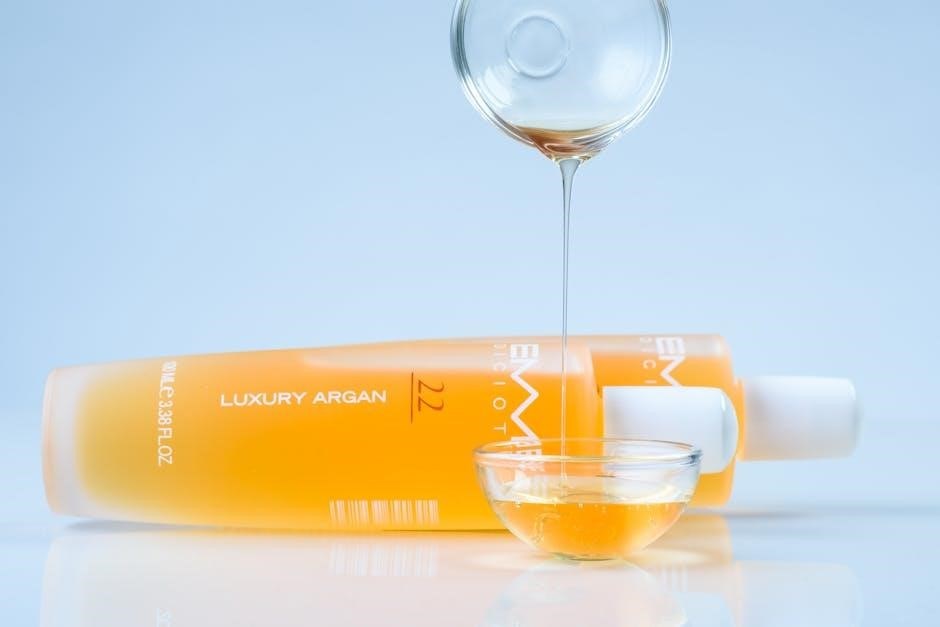
Advanced micro-pigments, often found in argan oil-based colors, penetrate the hair shaft deeply, delivering true, rich, and accurate tones. This results in more vibrant and long-lasting color. Argan oil also enhances color vibrancy and shine, leaving hair looking healthier and more radiant. It acts as a conditioning agent, improving hair’s texture and manageability during and after coloring.
Ultimately, argan oil transforms hair coloring from a potentially damaging process into a revitalizing treatment.
Choosing the Right Argan Oil Infused Hair Color
Selecting the ideal argan oil infused hair color requires careful consideration of your hair type, desired shade, and the product’s formulation. Prioritize brands that clearly state the argan oil content and highlight its benefits. Look for colors free from harsh chemicals like ammonia and parabens, as these can counteract the oil’s nourishing effects.
Consider your hair’s porosity. Highly porous hair absorbs color quickly, potentially requiring a lower developer volume. Fine hair benefits from gentle formulas, while thicker hair can handle more intense pigmentation. Read reviews and compare ingredient lists to identify products suited to your specific needs.
Don’t hesitate to consult with a professional colorist for personalized recommendations, especially if you’re making a significant color change.
Semi-Permanent vs. Permanent Argan Oil Hair Color
The choice between semi-permanent and permanent argan oil hair color hinges on your commitment level and desired outcome. Semi-permanent options deposit color without altering the hair’s natural structure, gradually fading with each wash – ideal for experimenting with shades or enhancing existing color.
Permanent color, however, utilizes a developer to open the hair cuticle, allowing pigment to penetrate deeply for long-lasting results. While offering greater coverage, especially for grays, permanent color requires more maintenance due to root regrowth.
Argan oil’s inclusion in both types helps mitigate damage, but permanent formulas still necessitate diligent aftercare. Consider your lifestyle and hair health when making your decision.
Preparing Your Hair for Argan Oil Hair Color
Proper preparation is crucial for optimal color absorption and minimized damage. Begin by ensuring your hair is clean, yet not freshly washed; natural oils aid the process. A day or two post-wash is ideal, even with a light argan oil application to combat frizz.
Avoid heavy conditioners or styling products beforehand, as these can create a barrier. Detangle thoroughly to ensure even distribution. Hydration is key; consider a deep conditioning treatment a week prior to coloring.
Crucially, perform patch and strand tests (detailed below) to check for allergies and predict the final color result. This proactive approach safeguards your hair and ensures satisfaction.
Patch Test: Ensuring Allergy-Free Coloring
A patch test is non-negotiable, even with natural ingredients like argan oil. Apply a small amount of the mixed color behind your ear or on your inner elbow. Cover with a bandage and leave for 48-72 hours.
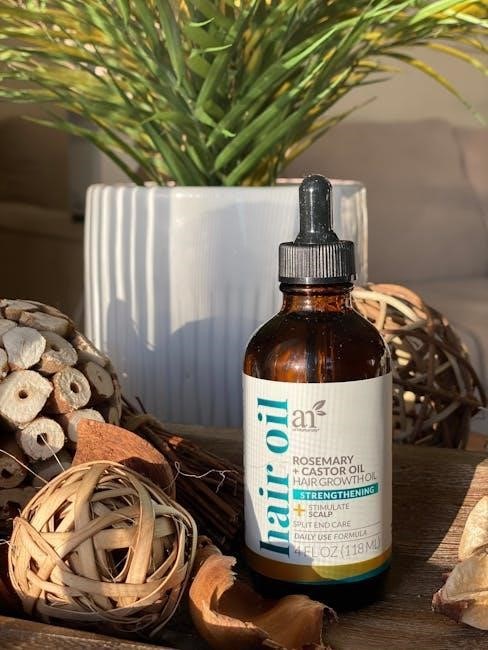
Carefully monitor the area for any signs of irritation – redness, itching, burning, or swelling. If any reaction occurs, do not proceed with the full hair coloring application. Sensitivity can develop unexpectedly, and this test prevents a severe allergic reaction.
This simple step safeguards your skin and overall health. Remember, even “natural” products can trigger allergies. Prioritize safety and heed any adverse reactions.
Strand Test: Predicting Color Outcome
Before coloring your entire head, perform a strand test to preview the final result. Select a small, inconspicuous section of hair – underneath layers are ideal. Apply the argan oil hair color as you would for a full application, following the processing time precisely.
This test reveals how the color will actually appear on your hair, considering its porosity, previous treatments, and natural shade. It helps avoid unwanted surprises like brassiness or a color that’s too dark or light.
Assess the color after rinsing and drying the strand. If adjustments are needed, modify the processing time or consider a different shade. A strand test is crucial for achieving your desired look!
Step-by-Step Instructions for Applying Argan Oil Hair Color
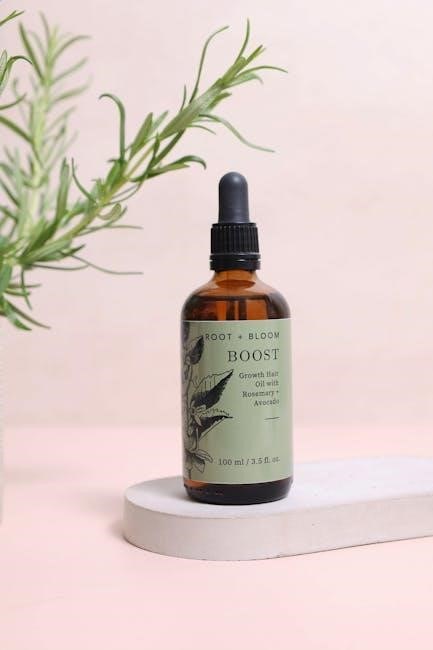
Begin with a prepared application area – protect surfaces and wear gloves. Thoroughly mix the argan oil hair color according to package directions, ensuring a consistent consistency. Section your hair into four quadrants for even coverage.
Start applying the color at the roots, using a brush or applicator bottle. Work quickly and systematically, saturating each strand. Once the roots are covered, move down the hair shaft, ensuring complete coverage from root to tip.
Pay close attention to previously colored or resistant areas. Double-check for any missed spots. Once applied, proceed to the recommended processing time, monitoring for color development.
Mixing the Color: Ratios and Consistency
Accurate mixing is crucial for optimal color development and hair health. Always follow the manufacturer’s instructions regarding the developer and color cream ratio, typically 1:1 or 1:1.5. Use a non-metallic bowl and applicator brush to combine the components.
Stir vigorously until a smooth, creamy consistency is achieved, ensuring no clumps remain. The mixture should be easily spreadable but not too runny. Properly mixed color will adhere to the hair shaft effectively.
Argan oil is often pre-mixed within the formula, but some brands may require adding a few drops for enhanced conditioning. Avoid over-mixing, as this can affect the color outcome.
Application Techniques: Root to Tip
For virgin hair, begin application at the roots, ensuring complete saturation. Section the hair into manageable portions – typically four quadrants – for even coverage. Use the applicator brush to precisely apply the color, working from the roots down to the ends.
If retouching, focus on new growth first, then gently blend the color through the previously colored lengths during the last 10-15 minutes of processing. This prevents over-processing and color discrepancies.
Massage the color into each strand to guarantee thorough penetration. Pay close attention to the hairline and around the ears for uniform results. Avoid applying color directly to the scalp, especially if sensitive.
Processing Time: Maximizing Color Development
Generally, argan oil hair color requires 20-30 minutes of processing time for optimal color development. However, always refer to the specific instructions on your chosen product, as times can vary.
For stubborn grays or lifting darker shades, a slightly longer processing time – up to 45 minutes – may be necessary. Monitor the color development closely, checking a strand every 10-15 minutes.
Applying gentle heat, such as a warm towel or hooded dryer, can help accelerate color processing. Avoid excessive heat, which can damage the hair. Once the desired color is achieved, rinse thoroughly with cool water until the water runs clear.
Argan Oil as a Pre-Color Treatment
Applying argan oil before coloring creates a protective barrier, minimizing damage and enhancing color absorption. This is especially beneficial for dry, damaged, or chemically treated hair.
A generous coating of argan oil helps to seal the hair cuticle, reducing porosity and preventing excessive color uptake, which can lead to uneven results. Focus on the mid-lengths and ends, avoiding the scalp immediately before color application.
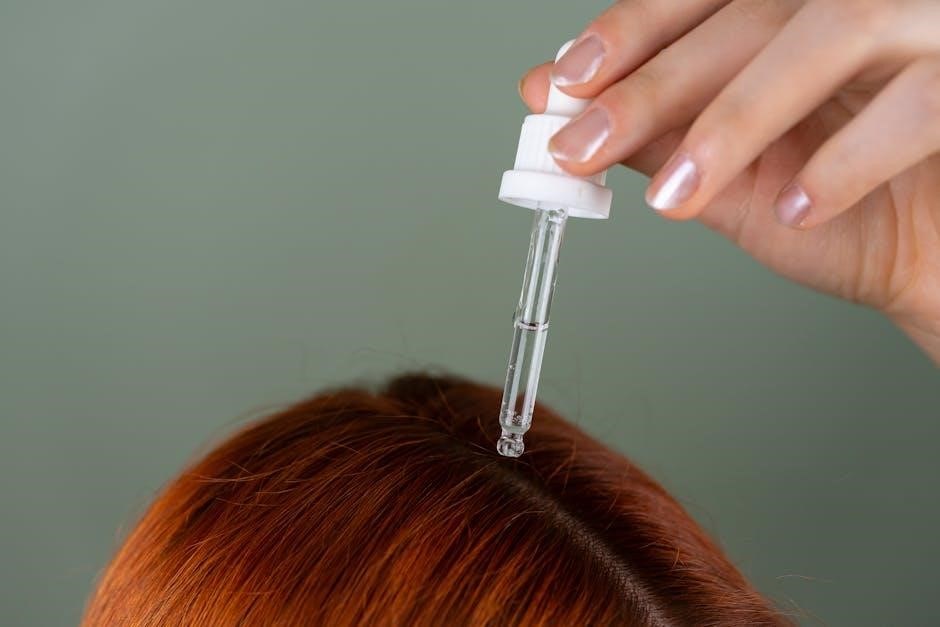
Allow the oil to sit for at least 30 minutes, or even overnight for deep conditioning. This pre-treatment ensures the hair is optimally hydrated and prepared to receive the color, resulting in a healthier, more vibrant outcome.
Argan Oil as a Post-Color Treatment
Following hair coloring with argan oil is crucial for restoring moisture and shine lost during the process. Color treatments can strip the hair of its natural oils, leaving it dry and brittle.
Argan oil helps to seal the hair cuticle, locking in color and preventing fading. It also smooths the hair shaft, reducing frizz and enhancing overall manageability. Apply a small amount to damp hair, focusing on the ends.
For a deeper treatment, use argan oil as a weekly hair mask. Leave it on for 30 minutes before rinsing for intensely hydrated and vibrant color. This post-color care is essential for long-term hair health.
Deep Conditioning with Argan Oil
Argan oil excels as a deep conditioner, penetrating the hair shaft to deliver intense hydration and repair damage caused by coloring. Its rich fatty acids and vitamin E content nourish and strengthen hair from within.
To create a deep conditioning treatment, warm a few tablespoons of argan oil and apply generously to clean, damp hair. Focus on the mid-lengths and ends, avoiding the scalp to prevent greasiness.
Wrap your hair in a warm towel or shower cap and leave the oil on for at least 30 minutes, or even overnight for maximum benefit. Rinse thoroughly and style as usual, enjoying noticeably softer, smoother, and healthier hair.
Sealing in Color and Shine
Argan oil acts as a superb sealant, smoothing the hair cuticle and locking in vibrant color molecules after dyeing. This process minimizes fading and extends the life of your new hue, while simultaneously boosting shine.
After rinsing out your argan oil hair color, apply a small amount of argan oil to damp hair, concentrating on the ends. This creates a protective barrier against environmental stressors and heat styling.
A lightweight application prevents weighing down hair, maintaining volume and bounce. Regular use of argan oil post-coloring ensures long-lasting color intensity and a radiant, healthy sheen, keeping your hair looking its best.
Maintaining Argan Oil Colored Hair
Consistent care is crucial for preserving the vibrancy and health of argan oil colored hair. Minimize washing frequency to prevent color stripping; opt for sulfate-free shampoos designed for color-treated hair.
Incorporate a weekly deep conditioning treatment with argan oil to replenish moisture and strengthen strands. Protect hair from excessive heat styling by using a heat protectant spray before blow-drying, curling, or straightening.
Regular trims help eliminate split ends, maintaining a healthy appearance and preventing further damage. Shielding hair from prolonged sun exposure is also vital, as UV rays can cause color to fade.
Argan Oil and Different Hair Types
Argan oil’s versatility makes it suitable for all hair types, but application techniques may vary. For fine hair, use a lightweight argan oil product or dilute pure oil with a carrier oil to avoid weighing it down. Focus application on the ends to prevent a greasy appearance.
Thick hair benefits from more generous applications of argan oil, as it can absorb more moisture. Consider using a richer argan oil formula or layering it with a leave-in conditioner.
Curly hair thrives on argan oil’s hydrating properties, helping to define curls and reduce frizz. Apply to damp hair and scrunch to enhance curl pattern. Regardless of hair type, argan oil promotes shine and overall hair health.
Argan Oil for Fine Hair
Fine hair is prone to being weighed down, so choosing the right argan oil product is crucial. Opt for lightweight formulas or dilute pure argan oil with a carrier oil like grapeseed oil. Application should be minimal, focusing primarily on the mid-lengths and ends to avoid a greasy scalp;
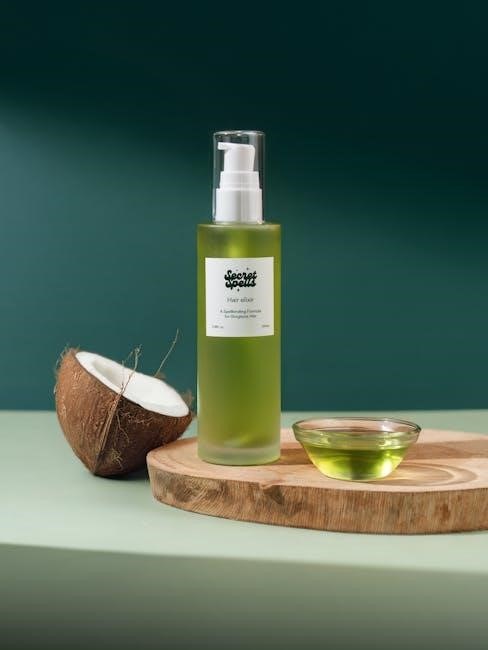
When coloring, argan oil helps protect delicate strands from damage. Use argan oil-infused color or add a few drops to your dye mixture. Post-color, a light argan oil serum will add shine without sacrificing volume.
Avoid heavy argan oil masks that can flatten fine hair. Instead, use a leave-in conditioner with argan oil for daily hydration and manageability.
Argan Oil for Thick Hair
Thick hair often craves intense hydration and nourishment, making argan oil an ideal treatment. Unlike fine hair, thicker strands can handle richer, more concentrated argan oil products without becoming weighed down. Regular use can tame frizz and enhance natural texture.
During coloring, argan oil’s protective properties are especially beneficial, shielding thick hair from potential damage. Post-color, a deep conditioning treatment with argan oil will replenish moisture lost during the process.
Consider using argan oil as a pre-color treatment to strengthen hair and improve color absorption. Heavier argan oil masks are well-suited for thick hair, providing deep hydration and manageability.
Troubleshooting Common Coloring Issues
Uneven color application can occur, especially with thick or layered hair. Ensure complete saturation during application, sectioning hair carefully and utilizing a brush for precise coverage. Argan oil’s smoothing properties can aid in even distribution.
Color fading is a common concern; argan oil helps mitigate this by sealing the hair cuticle, locking in color pigments. Use sulfate-free shampoos and conditioners to preserve vibrancy. Regular argan oil treatments replenish lost moisture and enhance color longevity.
If color appears too dark, avoid harsh clarifying shampoos. Gentle washing with argan oil-infused products can gradually lighten the shade. For brassiness, consider a color-correcting gloss.
Uneven Color Application
Achieving uniform color requires meticulous application, particularly with home coloring. Section hair into small, manageable portions – typically four quadrants – to ensure every strand is coated. Begin application at the roots, then work through the lengths, saturating each section thoroughly.
Argan oil’s emollient nature aids in smooth, even distribution of the color mixture. Utilize a color brush instead of fingers for precision. Pay close attention to the hairline and around the ears, areas prone to unevenness. Massage the color gently to guarantee complete coverage.
For thick hair, enlist assistance to ensure all areas are reached. Check for missed spots during application and touch up as needed.
Color Fading
Color fading is inevitable, but argan oil can significantly slow the process. Minimize washing frequency; each wash strips color molecules. When shampooing, opt for sulfate-free formulas designed for color-treated hair, as sulfates are harsh detergents.
Argan oil’s moisturizing properties help seal the hair cuticle, locking in color pigments. Regular deep conditioning treatments with argan oil replenish lost moisture and vibrancy. Avoid excessive heat styling, which damages the cuticle and accelerates fading.
Protect hair from sun exposure with hats or UV protectant sprays. Consider color-depositing conditioners or glosses to refresh the shade between full applications.
Argan Oil Hair Color for Gray Coverage
Argan oil hair color excels at gray coverage due to its deeply penetrating qualities. The oil helps lift the hair cuticle, allowing pigments to effectively deposit color even on resistant gray hairs. Choose a shade that’s slightly lighter than your natural color for a softer, more natural blend.
For stubborn grays, consider pre-softening with an argan oil treatment to increase porosity. Ensure complete saturation during application, focusing on the roots where gray hair is most prominent. Extend processing time slightly, but monitor closely to avoid over-processing.
Argan oil’s conditioning benefits minimize damage and maintain hair health during the coloring process, crucial for delicate gray strands.
Best Argan Oil Hair Color Brands
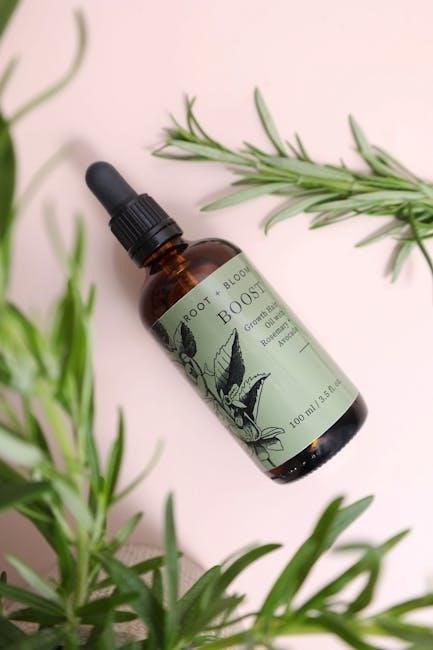
Several brands champion argan oil infusion in their hair color lines, offering diverse options. ArtNaturals consistently receives praise for its ammonia-free formulas and vibrant color selection, enriched with argan oil for conditioning. Naturtint is another excellent choice, known for its plant-based ingredients and gentle gray coverage, boosted by argan oil’s nourishing properties.
Majestic Pure provides affordable argan oil hair color, ideal for experimenting with different shades. Live Botanical focuses on organic and natural ingredients, including argan oil, for a healthier coloring experience. Look for brands that clearly state the argan oil content and prioritize ammonia-free or low-ammonia formulas.
DIY Argan Oil Hair Color Boosters
Enhance your argan oil hair color with natural boosters for added vibrancy and conditioning. Mix a tablespoon of honey with your color for increased moisture and shine, complementing argan oil’s benefits. Adding a mashed avocado provides extra nourishment and helps seal in color, creating a richer hue.
For red tones, incorporate beetroot powder – a small amount will subtly enhance reddish undertones. To deepen brown shades, brew strong coffee and add it to the color mixture. Always perform a strand test before applying any DIY booster to ensure desired results and prevent unexpected color changes. Remember, these are supplemental and won’t drastically alter the base color.
Potential Side Effects and Precautions
While argan oil hair color is generally gentle, potential side effects exist. Allergic reactions are possible, emphasizing the crucial need for a patch test 48 hours prior to full application. Skin irritation, redness, or itching may occur; discontinue use if experienced. Although rare, some individuals may experience scalp sensitivity.
Always follow the manufacturer’s instructions carefully. Avoid contact with eyes; rinse immediately if contact occurs. Pregnant or breastfeeding women should consult a doctor before use. Keep hair color out of reach of children. Proper ventilation is recommended during application. Discontinue use if any adverse reaction develops and consult a healthcare professional.
Where to Buy Argan Oil Hair Color
Argan oil infused hair color is increasingly accessible, offering convenience for consumers. Major retailers like Target, Walmart, and Walgreens often stock popular brands. Drugstores such as CVS and Rite Aid also carry selections. Beauty supply stores like Sally Beauty provide a wider variety and professional options.
Online shopping offers extensive choices. Amazon is a reliable source, alongside brand websites like Moroccanoil or ArtNaturals. Ulta and Sephora feature premium argan oil color brands. Direct-to-consumer brands are also emerging, offering specialized formulas. Compare prices and read reviews before purchasing to ensure quality and authenticity.
Long-Term Hair Health with Argan Oil Color
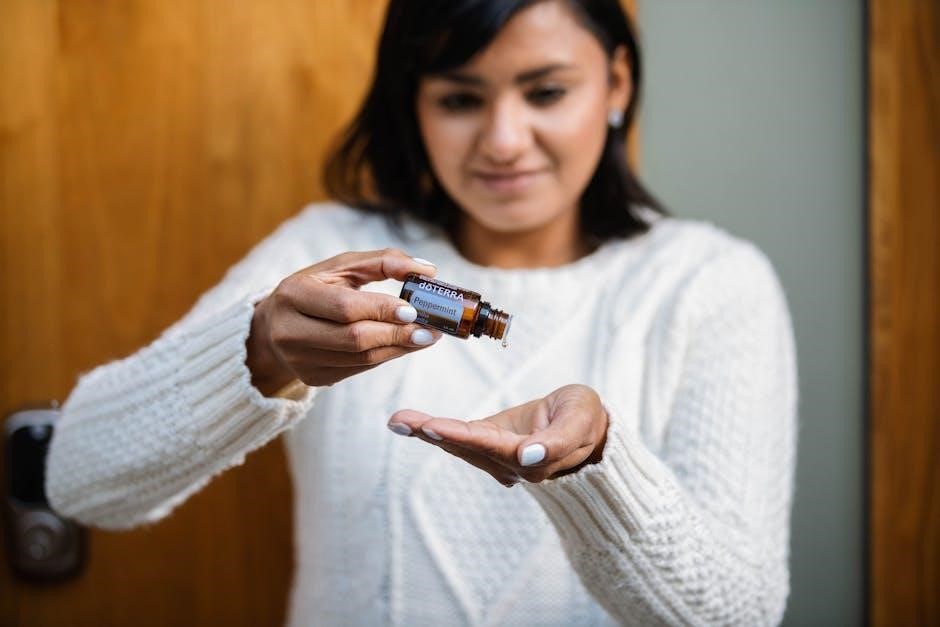
Consistent use of argan oil hair color promotes lasting hair health. The oil’s rich vitamin E content supports hair growth and strengthens strands, minimizing breakage. Regular deep conditioning with argan oil replenishes moisture lost during coloring, preventing dryness and frizz. Color vibrancy is maintained as the oil seals the cuticle, locking in pigment.
Argan oil’s antioxidant properties protect against environmental damage, preserving color and overall hair integrity. Reduced chemical stress compared to traditional dyes contributes to healthier hair over time. Continued use results in noticeably softer, shinier, and more manageable hair, enhancing its natural beauty and resilience.